
Week 10: Content Licensing: The Legal Minefield Most Operators Ignore
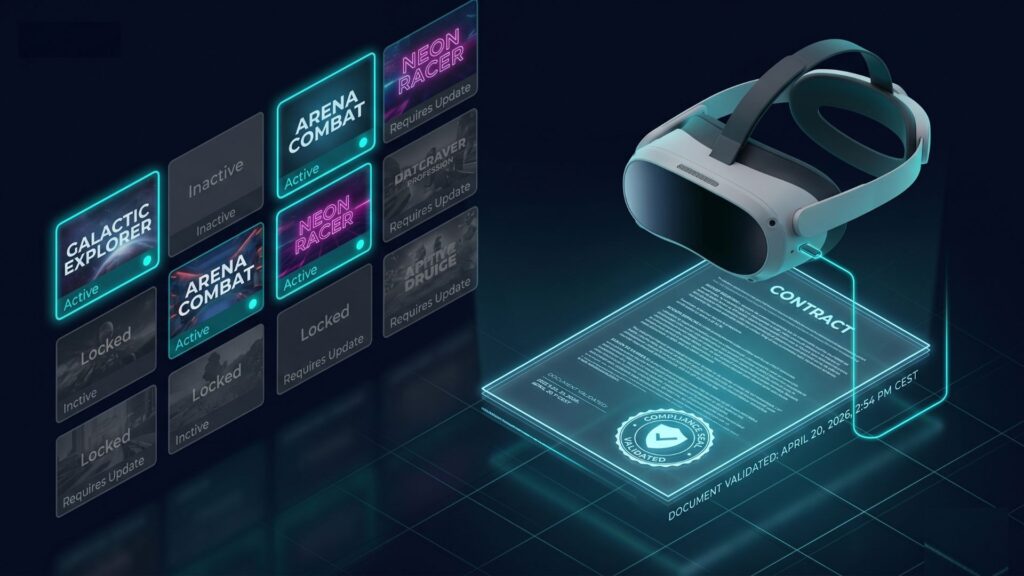
From First Headset to Fully Operational VR Arena Most operators figure out their content strategy by accident. They launch with a few titles, add games when players ask for something new, and build a library over time based on instinct and availability. It works well enough in the early months. The problems appear later, usually when the venue is busier, the library is larger, and making changes is harder. Licensing is the last thing operators think about and the first thing that can create problems at scale. Why commercial licensing is not optional When a developer publishes a VR game for home use, the consumer license covers one person playing on their own headset. A venue running that same title across multiple stations for paying customers, session after session, is operating under a completely different use case. Commercial use is a separate licensing category, and consumer licenses do not cover it. The value of a title changes in a commercial setting. In a venue, a game can generate thousands of hours of billable session time over its lifetime. Consumer pricing is built around personal use. Commercial licensing reflects the actual value the content delivers when it is running as part of a revenue-generating business. This is not a grey area. UploadVR’s guide on starting a VR arcade legally is direct on this: regular game purchases do not cover commercial arcade use. Developers or licensing programs must grant permission before a title runs commercially. The risks of buy once, play forever thinking The assumption behind most early content decisions is that a game purchase is a permanent unlock. Buy the title, install it, run it indefinitely. In a home context, that is accurate. In a commercial venue, it is not. Several operators have assumed a one-time purchase covered commercial use until developers reached out directly. Licensing problems usually surface late and they are rarely cheap to fix. By the time the issue appears, the venue may need retroactive licensing, a content cleanup across multiple stations, and a revised operating process. None of that is straightforward when the business is already running at volume. The venues that avoided that situation did not do anything complicated. They built a licensing framework before they needed one, chose a platform that handled the mechanics automatically, and made decisions based on usage data rather than instinct. How pay-per-minute aligns developers and operators Pay-per-minute works because it connects cost to actual usage. Operators pay for the value they consume, and developers get compensated in proportion to how often their content runs commercially. The logic is straightforward: flat purchases disconnect payment from use, which gives developers no signal about how their content performs in venue environments and no financial reason to maintain it there. That model also fits venue economics better than fixed purchases. Some titles drive high repeat play. Others work better as short-session or event content. Usage-based licensing gives operators more flexibility to test titles before committing, and gives developers a reason to maintain and expand content that is performing well in commercial environments. Why transparent usage tracking protects everyone If a venue can see which title runs, where it runs, and how often, the operator can choose the right licensing model with real data instead of guesswork. That visibility also changes how operators think about their content library. Venues that track usage start asking different questions before adding a title: does this fit our session lengths, our reset cycle, our throughput targets? That thinking compounds over time. Venues with deliberate libraries run fewer titles more effectively. They know which games their audience returns for, which titles justify a lifetime license, and which are worth testing on pay-per-minute before committing to a fixed fee. Transparent tracking also protects developers. When developers see consistent commercial usage, they can trust that the content is generating fair value, which supports ongoing updates and future releases. SynthesisVR’s dashboard gives operators exactly that visibility: usage tracked automatically by title and station, available in real time. The SynthesisVR knowledge base covers the operational flow for starting commercial licensing, managing balance, and keeping billing aligned with actual use. What licensed operators access that others do not The practical difference between licensed and unlicensed operation is not just legal exposure. It is access. Developers who see consistent, fairly compensated usage on a platform invest in maintaining and updating their titles. Operators inside the licensing ecosystem get those updates. They get early access to new releases. They get a content relationship with developers that simply does not exist for venues running consumer builds commercially. SynthesisVR’s marketplace covers 400+ titles built specifically for location-based entertainment use. Every title carries the commercial rights needed to run it legally. The library grows because developers see real commercial value in contributing to it. That value depends on operators participating in the system correctly. A full breakdown of how the licensing models work, including pay-per-minute, fixed station and location fees, lifetime licenses, and event access, is covered in the SynthesisVR commercial licensing overview. The standalone licensing blog on the SynthesisVR site covers how the licensing models work in practical detail, including pay-per-minute, fixed station and location fees, lifetime licenses, and event access. If you want the mechanical breakdown, that is the right place to start. What it does not cover is what happens to your content strategy when licensing is treated as an operational layer rather than an afterthought. Multi-location operators face a different version of this problem A single venue can manage content informally and stay on top of it. Multiple locations cannot. The inconsistency surfaces quickly: different titles at different sites, different billing arrangements, different staff making different decisions about what to install and remove. Franchises and multi-site operators who have not centralized content management discover that each location has effectively built its own library with its own licensing status, and none of it is visible from one place. Centralized content management is one of the clearest operational advantages SynthesisVR offers at scale. Operators managing multiple locations
PCVR Free Roam Games Worth Adding to Your Lineup in 2026
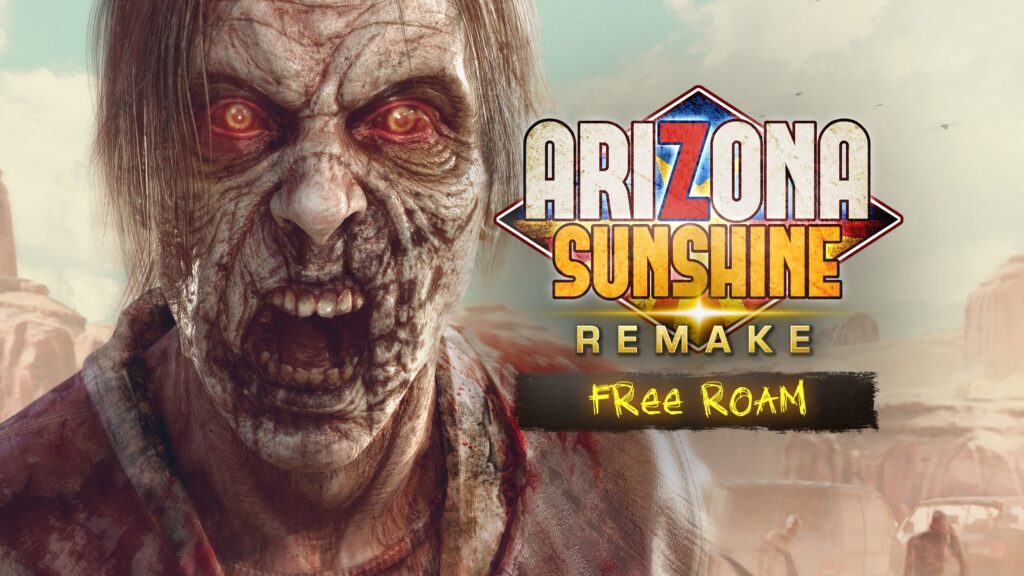
Most PCVR free roam venues build their library around one or two anchor titles and stop there. That works until your regulars have played those titles five times and your rebooking rate starts to slide. The operators who avoid that problem tend to do one thing differently: they map their content library around player intent rather than just game availability. Arizona Sunshine Remake: Free-Roam is one of the strongest PCVR free roam titles and arguably one of the most popular Free-Roam game in the world exclusive to SynthesisVR content marketplace. This also create a dependency risk if they are carrying the bulk of your sessions alone. This post maps the titles on the SynthesisVR PCVR free roam catalog that sit closest to each anchor in player intent, arena footprint, and group size, so you can expand your lineup without retraining your audience. Game Highlight: Arizona Sunshine Remake: Free-Roam Arizona Sunshine is one of the most recognized names in VR. The Remake brings that IP into the free roam arena with co-op zombie combat, next-generation visuals, and scalable configurations from 6×6m to 10×10m for up to eight players. Guests already know the franchise. The free roam format gives them a version of it they cannot get anywhere else, and cannot replicate at home. Available exclusively on SynthesisVR for commercial LBE licensing. Learn more: https://deployreality.com/synthesisvr/games/hmd-steamvr/arizona-sunshine-remake-free-roam Introducing SynthesisVR Community Pages for Free Roam Games Alongside the game, SynthesisVR is keen to build communities based on games using Community Pages, an initiative designed specifically for Location-Based Entertainment VR operators, developers, and industry professionals. Check our Arizona Sunshine Remake: Free Roam — Community Page These pages are built to serve as living knowledge hubs, where operators can: Unlike traditional consumer-focused communities, SynthesisVR Community Pages are purpose-built for professionals, helping operators make informed decisions, improve uptime, and deliver better experiences to guests. This initiative reflects SynthesisVR’s long-standing commitment to not just distributing content, but supporting the businesses that run it. If your guests enjoy Arizona Sunshine Remake: Free-Roam, these are worth adding: Corpus Animatum Corpus Animatum has a backstory no other title on the platform can claim. The studio behind it, CoreVR, originally set out to open their own LBE venue. When COVID made that impossible, they put that energy into building the games they wished existed, designed for venues from the very first session, not adapted from a home VR title. That origin shapes everything about how the game operates. It supports 1–8 players across 6×6m and 9×9m arenas. Session pacing runs six levels at roughly five minutes each. Controls are kept deliberately simple so any group gets into it fast regardless of VR experience. Players get dual pistols with one-handed reloading, melee combat, physical teammate revives, and full-body presence without full-body tracking hardware. Operator controls let you adjust spawn rates and difficulty in real time, drop in weapons, skip stages, and recover sessions with scores preserved if something goes wrong. bhaptics vest support is included. If The Hallow was part of your lineup, Corpus Animatum is a direct replacement and then some. Learn more with Corpus Animatum community page. Corpus Apocalypse The sequel is live on the marketplace. Corpus Apocalypse is the second chapter in the CoreVR series, same studio, same operator-first design logic, bigger environment. The doctor escaped Prospect Town. Now he is in the city, and the zombie hordes are larger, more varied, and armed. Boss encounters and a helicopter finale give the session a clear arc that players remember. Same specs as Corpus Animatum: 1–8 players, 6×6m to 9×9m arenas, full operator control panel, real-time difficulty adjustment, and bhaptics vest support. If your guests have already played Corpus Animatum, the sequel is a natural next booking rather than a content gap. If they have not played either, both titles are available on a one-week free trial, worth running back to back in a staff session to see how the arc plays across a longer visit. Learn more with Corpus Apocalypse community page. How to Evaluate Before You Commit The most reliable evaluation method is a staff session before a title enters your public rotation. It surfaces onboarding friction, space edge cases, and reset cycle times that spec sheets do not show. SynthesisVR offers free test access across the commercial VR games catalog, every title above is available to trial before you license. SynthesisVR is a VR management platform built for LBE operators, with 350+ experiences available through one content marketplace. Every title here runs through the same interface as the rest of your library, with no additional platform switching or separate session management required. Browse the full PCVR free roam catalog to see arena specs, player counts, and licensing options. Explore the full SynthesisVR content marketplace here!