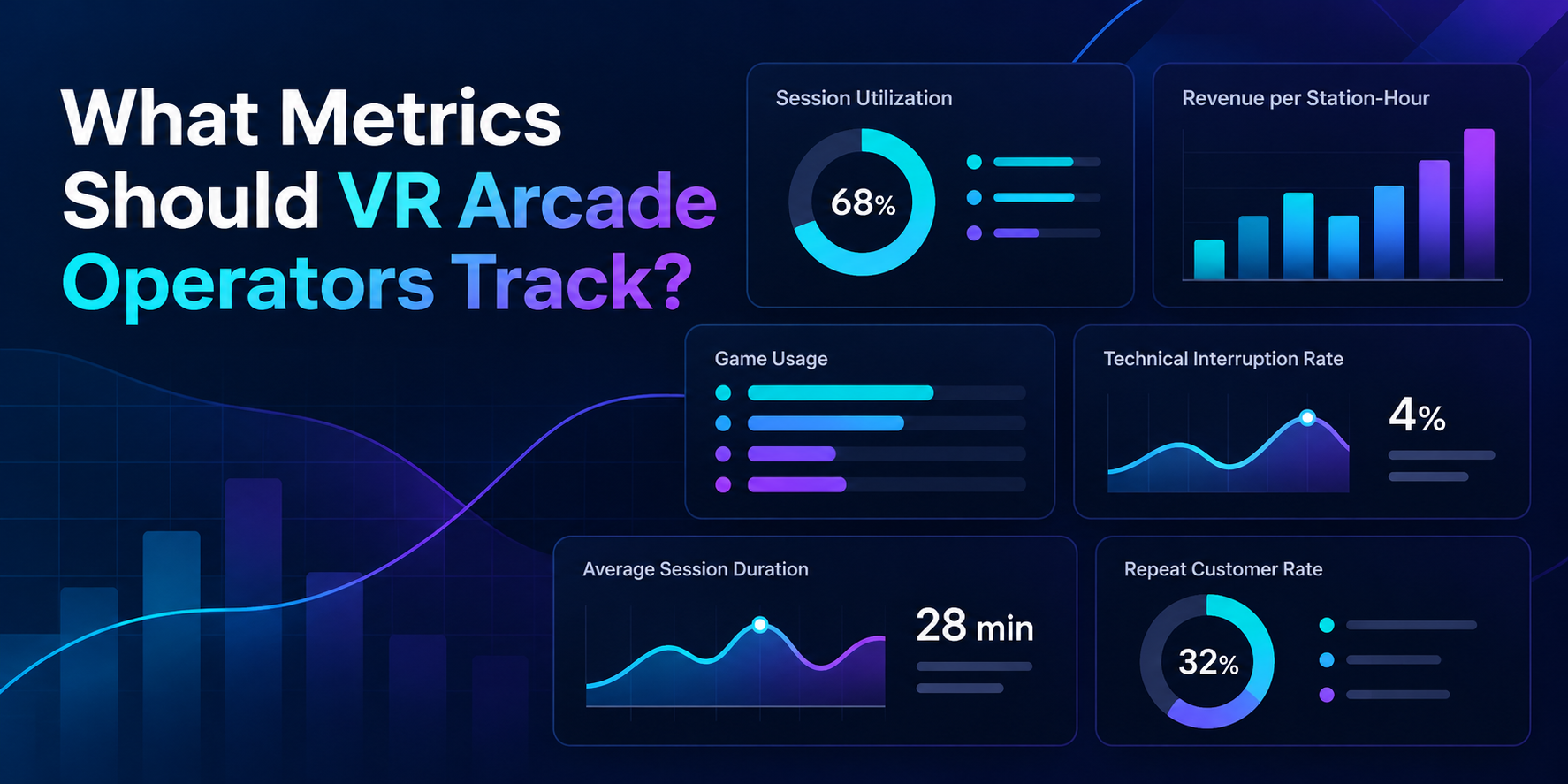
Running a profitable VR arcade requires more than knowing how many customers walked through the door.
Two venues might serve the same number of players in a day yet achieve very different results. ...
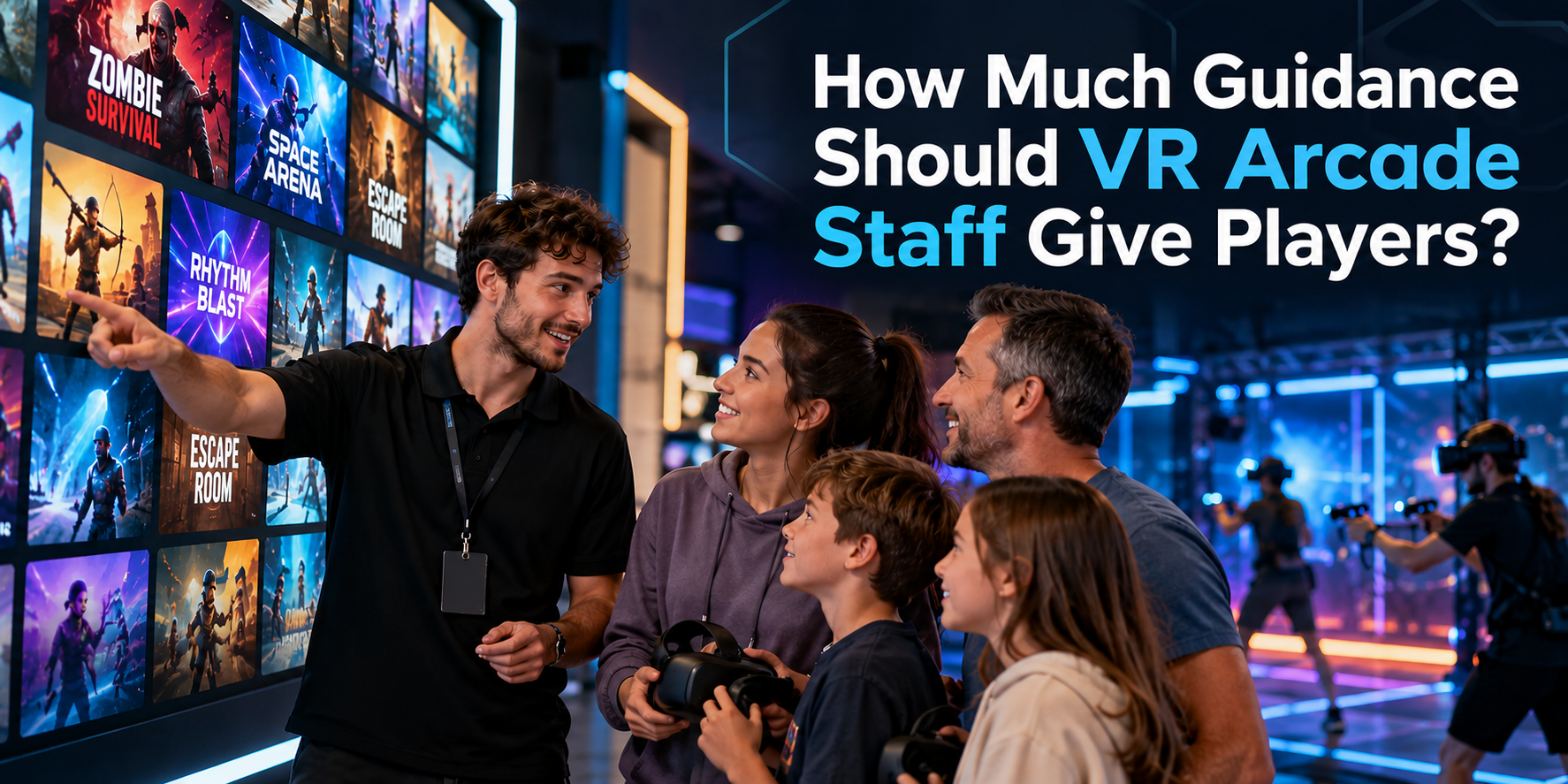
A strong VR content library gives customers choice, but choice alone does not guarantee a good experience. Staff still need to understand who an experience is for, how it starts, what players need to ...
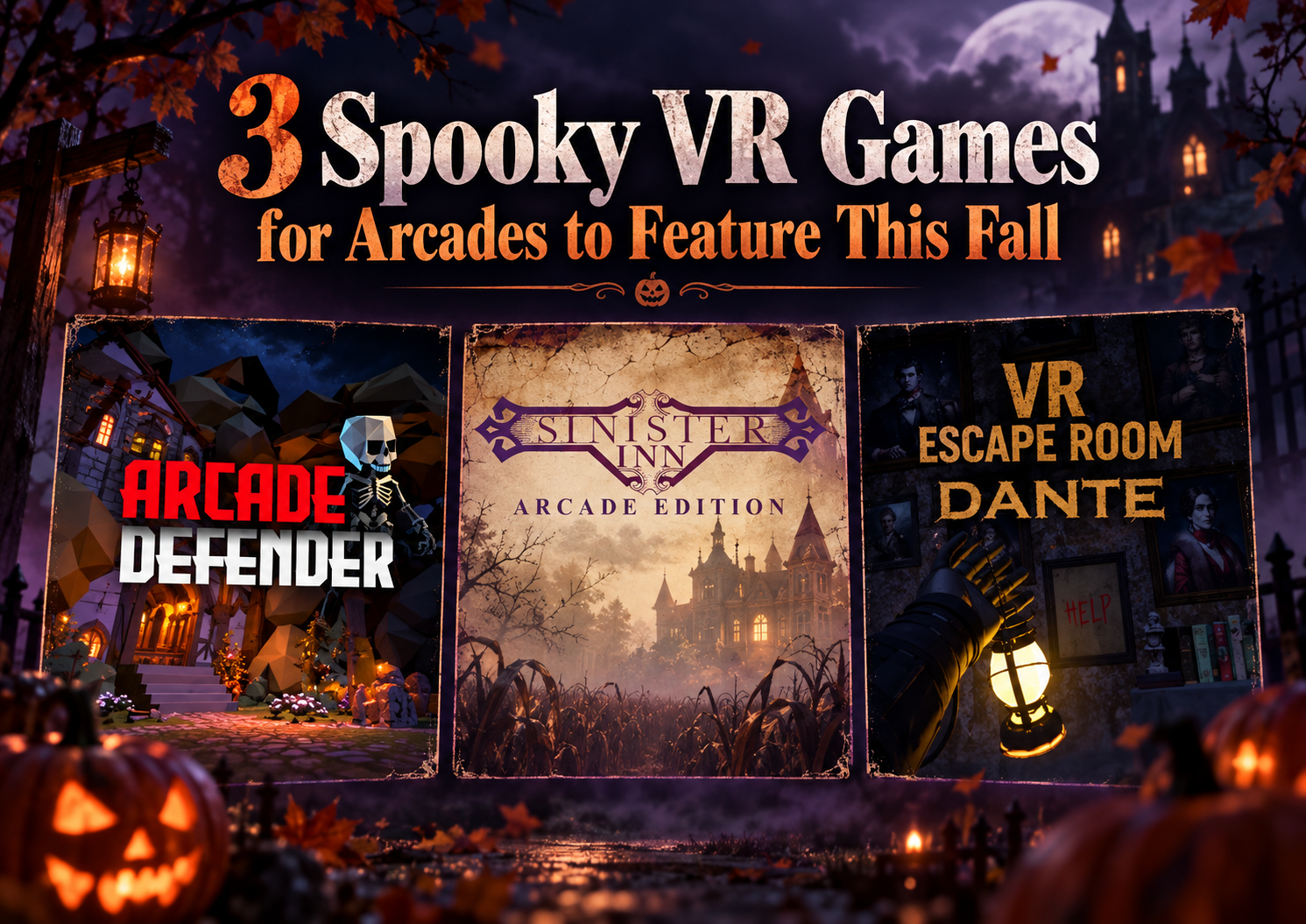
Customers asking for something scary give VR arcades a useful starting point for October content selection. The next question is which experience fits the group and the venue.
At our September Arca...
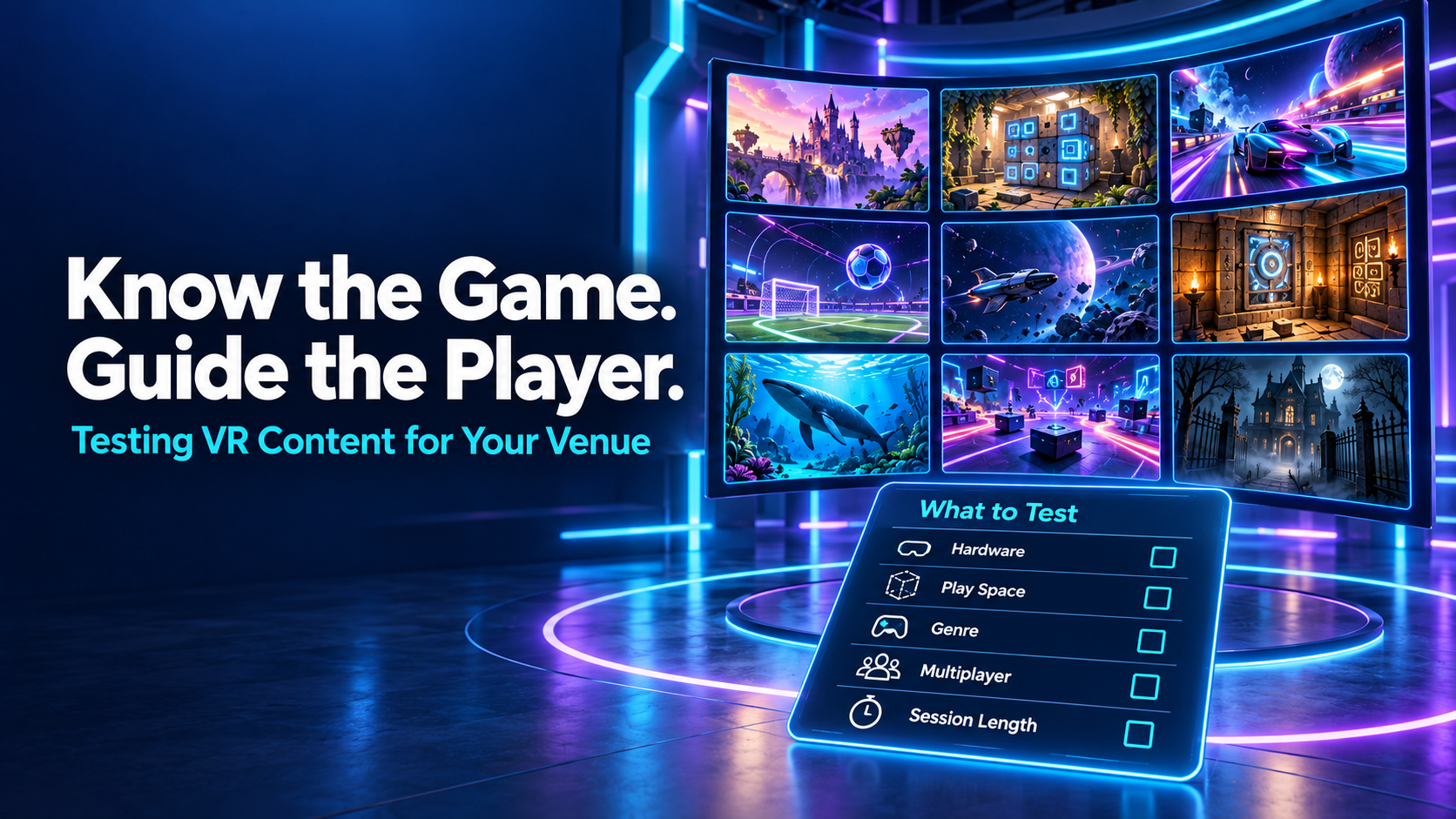
A new VR game appears in the library. The trailer looks promising, the hardware seems compatible, and a free trial makes it easy to give it a go. The venue adds it to the menu and waits to see whether...
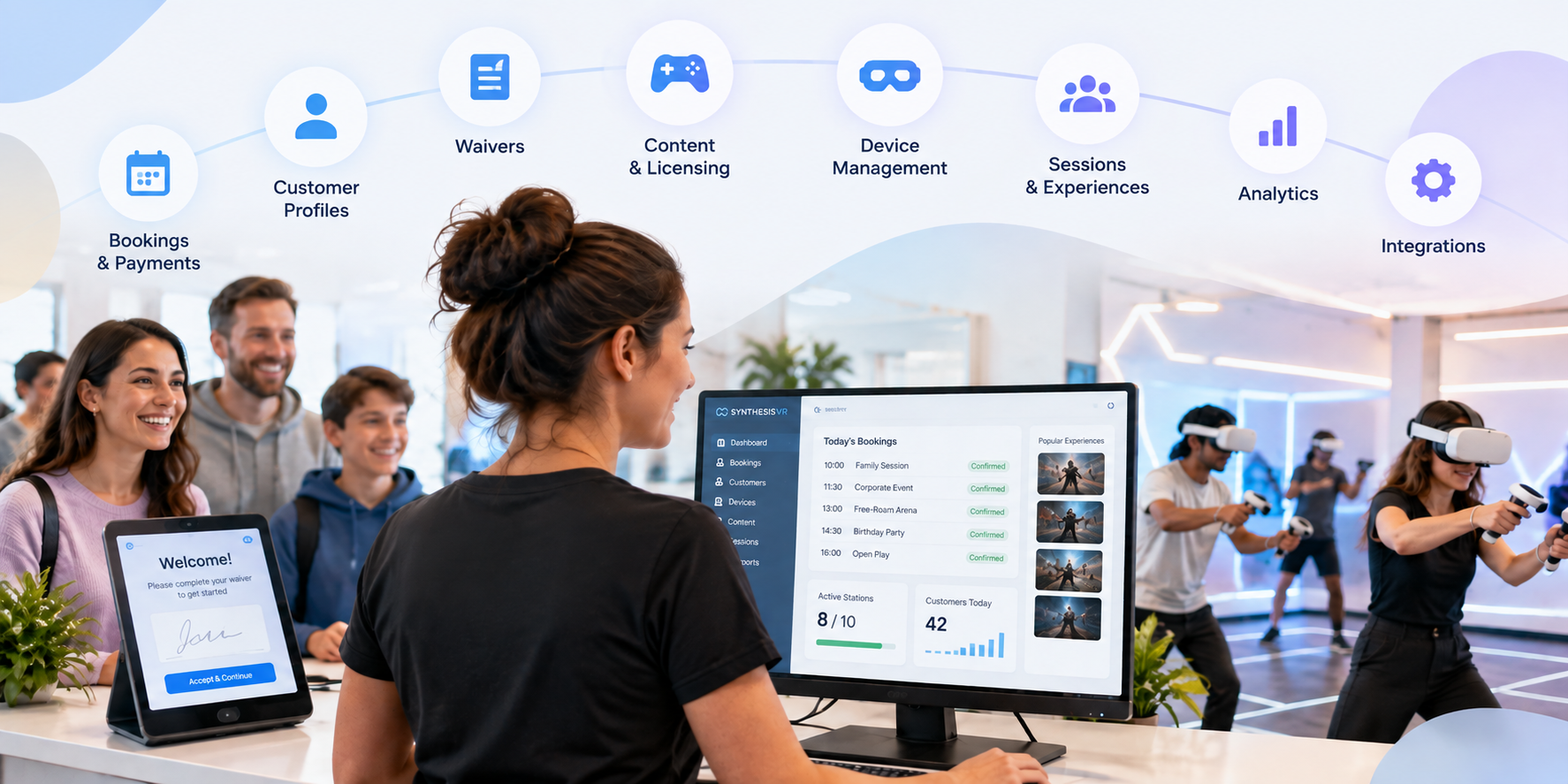
Running a VR arcade involves much more than launching games.
Before a customer even puts on a headset, someone may need to manage the booking, check availability, collect payment, confirm a waiver ...
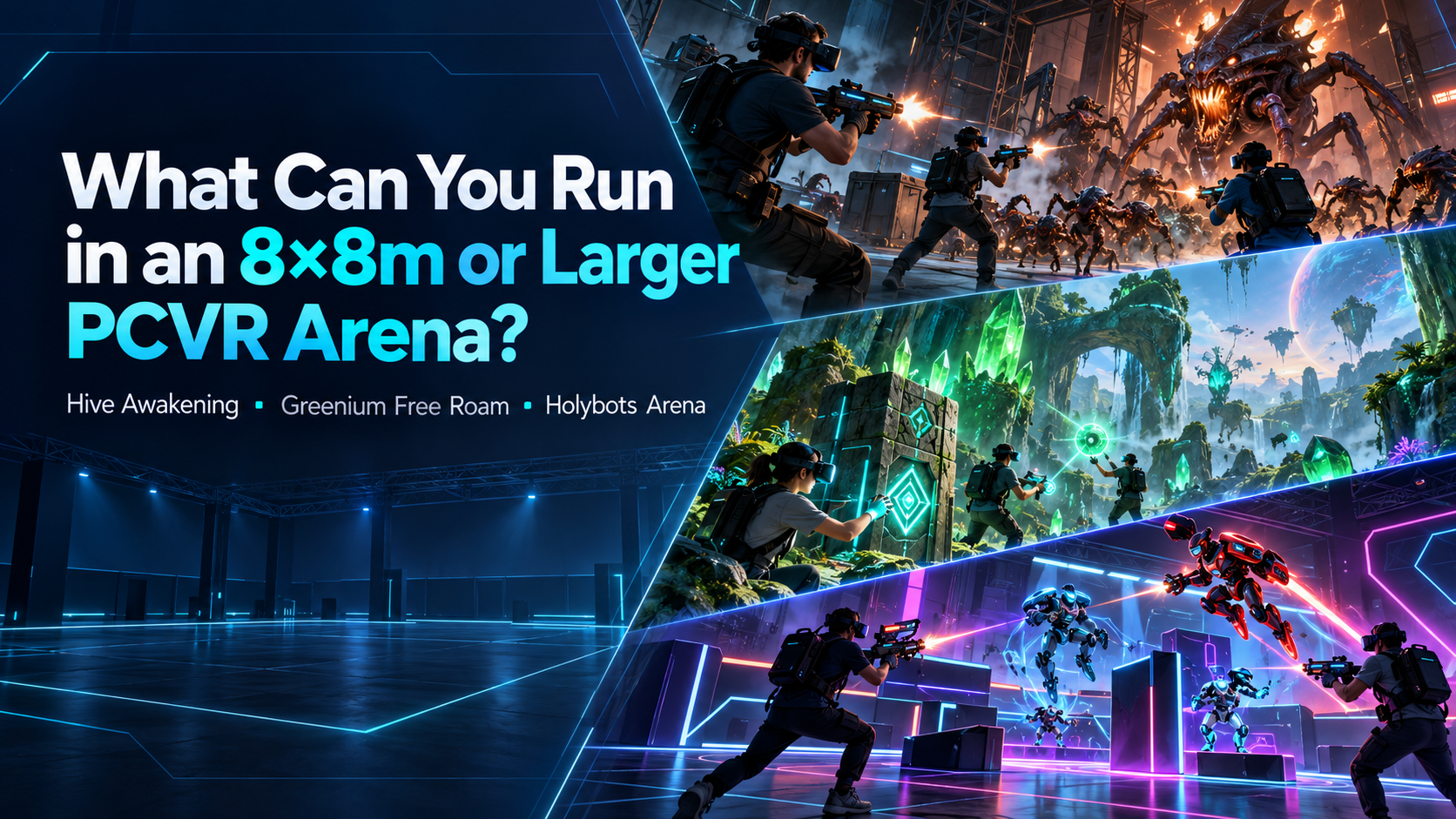
Once a VR venue dedicates 64 square meters or more to a free-roam attraction, content selection becomes a bigger operational decision.
The physical space can support experiences that give groups co...
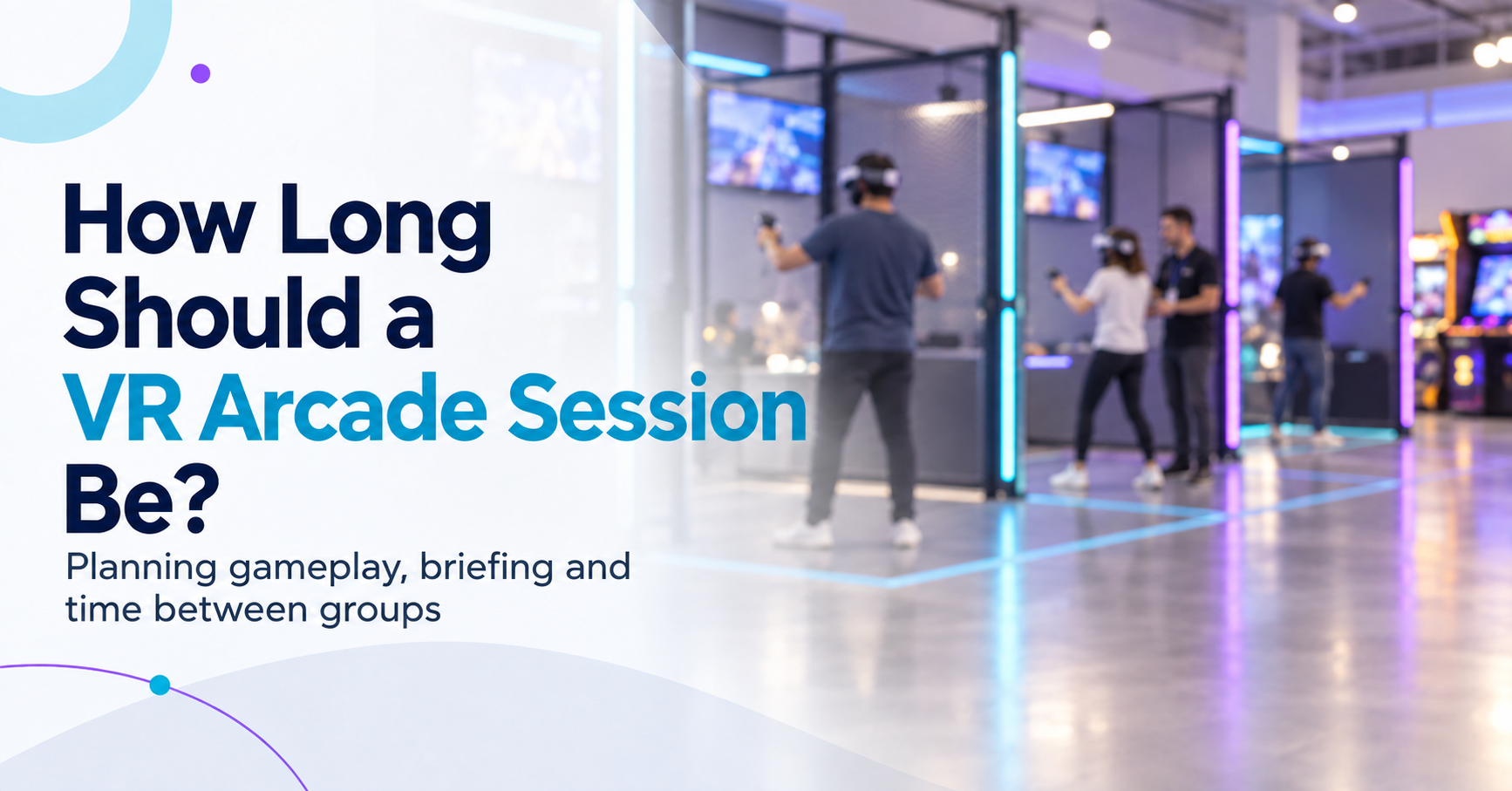
There is no standard VR arcade session length.
Commercial VR experiences currently range from a few minutes for fast competitive rounds to 30 or 45 minutes for free-roam missions and narrative expe...
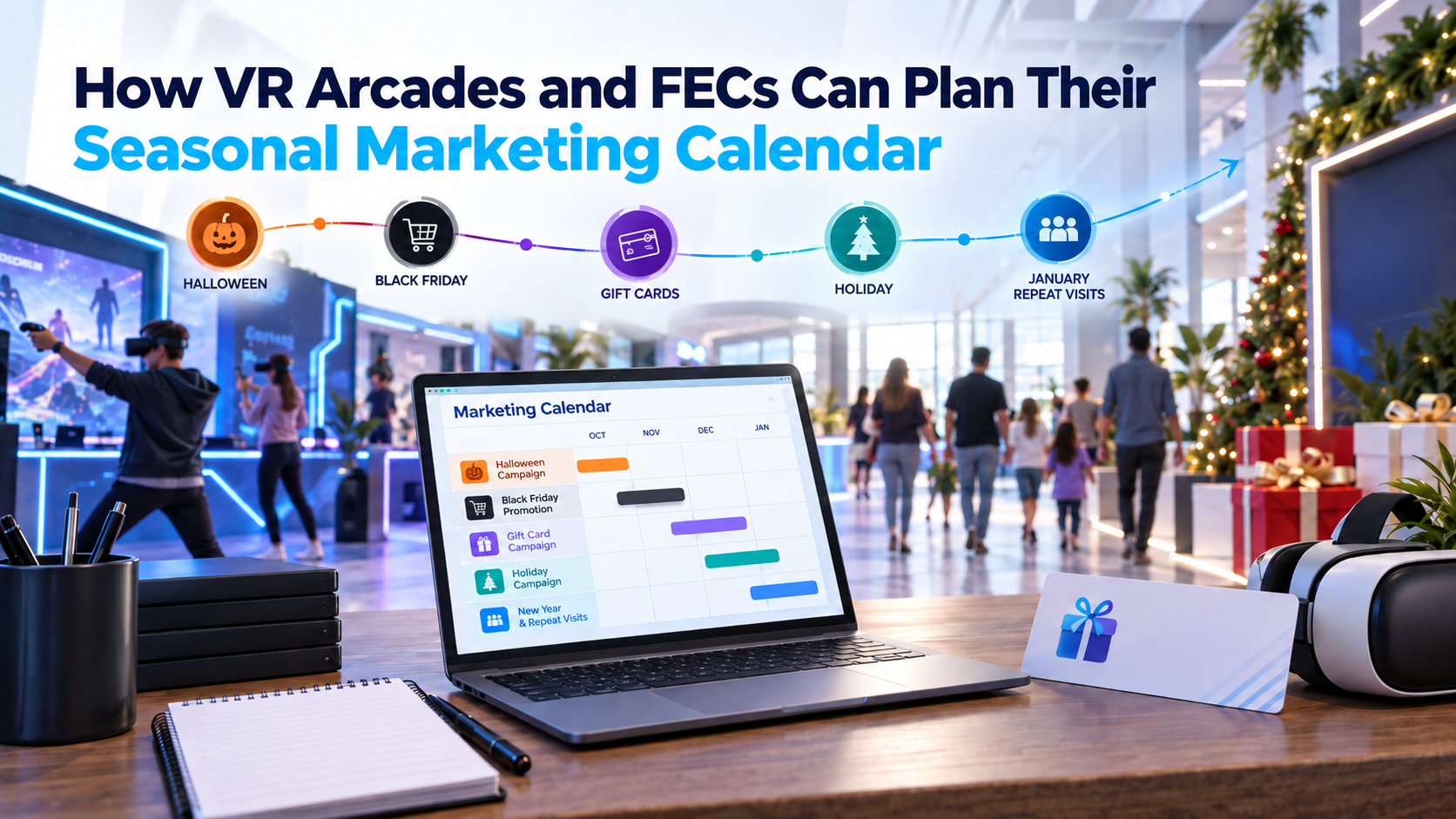
Seasonal marketing for VR arcades works best when the calendar tells the team more than what to post next.
A useful seasonal marketing calendar should show who the venue wants to reach, what behavi...
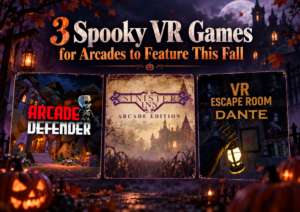
Spooky VR games for arcades can fill very different roles in a fall content lineup. One venue may need something light enough for families and mixed groups, while another wants a longer haunted escape...
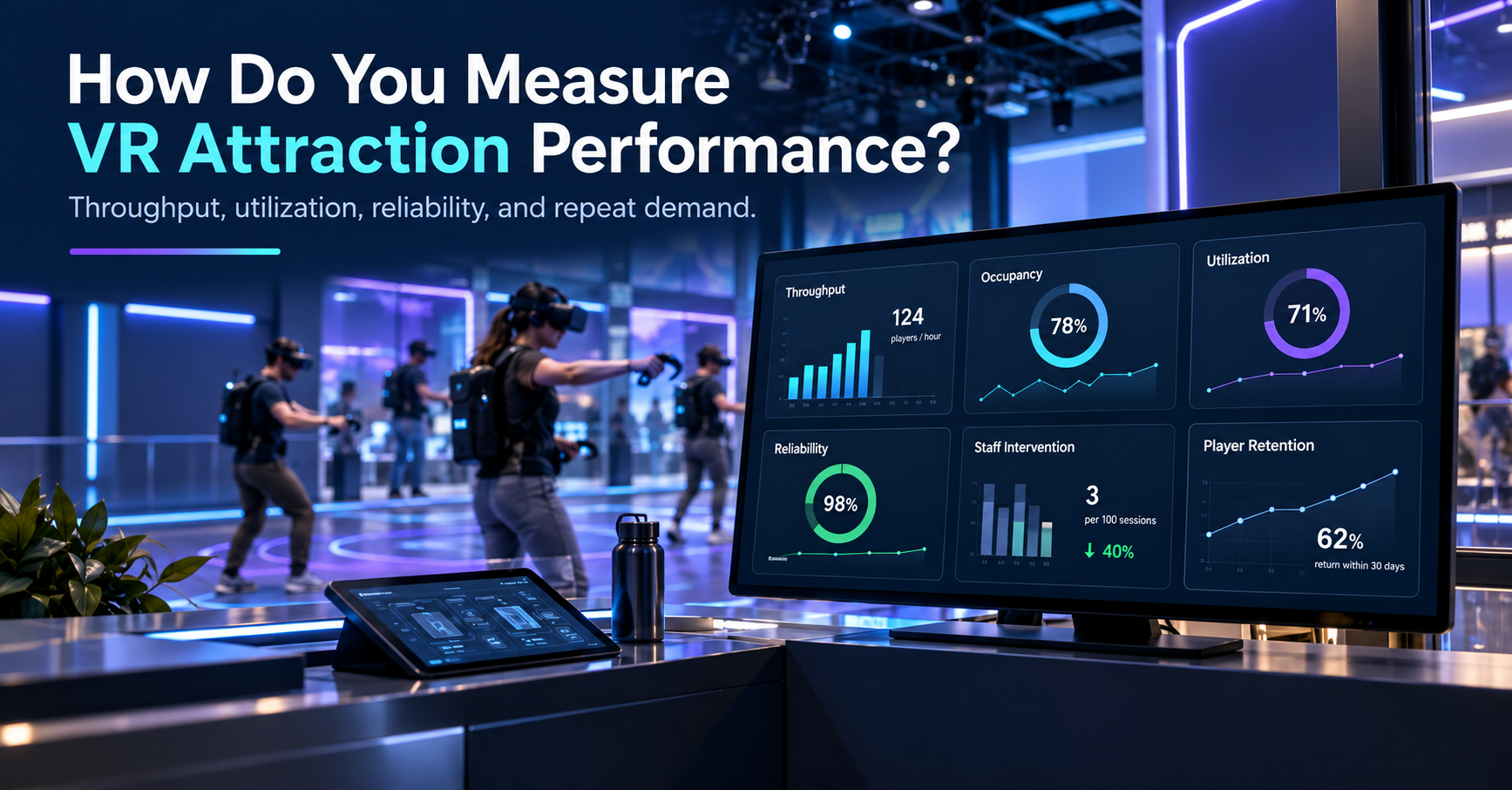
A VR attraction can stay busy and still leave capacity on the table.
Two experiences might generate a similar number of bookings over a weekend, yet perform very differently once you look beyond sa...