
How Can VR Arcades Market Games Around Popular Themes?
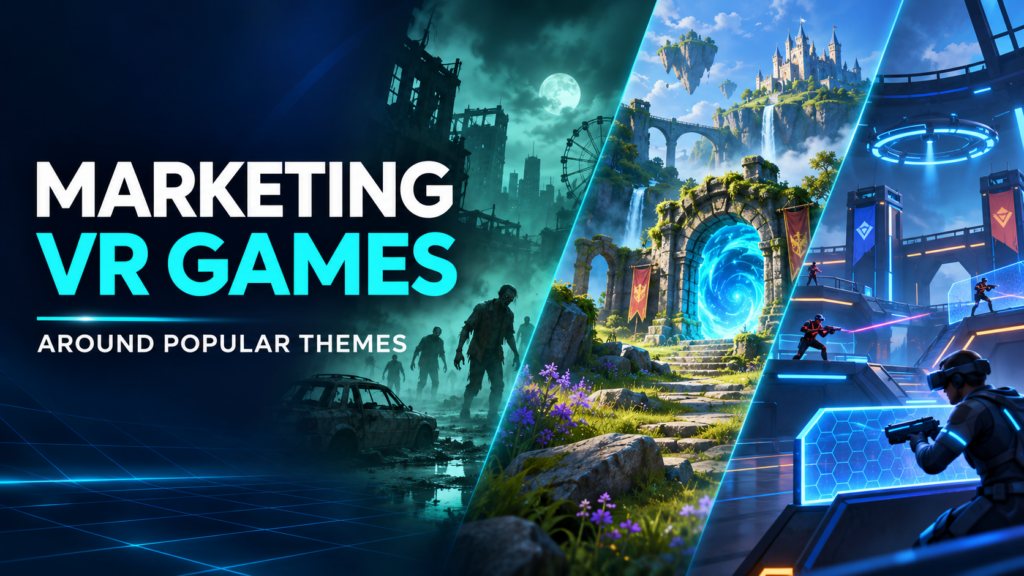
A customer might not know the difference between room-scale VR and free-roam VR. They might never have heard of the games available at a local arcade. But they probably know whether they enjoy zombie survival, haunted houses, fantasy adventures, or competitive games. That familiarity gives VR arcade operators a useful starting point for marketing. Instead of expecting customers to recognize individual VR game titles, venues can introduce experiences through themes people already understand and enjoy. A zombie shooter becomes a survival challenge for friends. A multiplayer arena game becomes a team competition. A fantasy adventure becomes an activity for families looking for something different to do together. For VR arcades and family entertainment centers (FECs), themed marketing can help attract new audiences, promote existing content, and give returning customers another reason to book. The key is choosing themes that fit the venue’s customers and turning them into experiences that are easy to understand, book, and enjoy. Why Popular Themes Work for VR Arcade Marketing Most VR arcade customers are choosing an activity rather than shopping for a particular game. They may be planning a birthday party, organizing a weekend outing, or looking for something to do with friends. Some will already know which VR game they want to play, but others need help understanding what is available. Popular entertainment themes make that choice easier. Consider two ways of promoting the same experience: The second description immediately communicates the setting, challenge, and group experience. Customers can picture what they will be doing, even if they have never tried virtual reality. This approach also works beyond action games. Fantasy adventures, escape rooms, competitive sports, and family-friendly worlds can all be introduced through familiar ideas. Operator feedback supports the importance of recognizable genres During SynthesisVR’s September 2026 Arcades of the Roundtable discussion, operators specifically requested more horror and zombie content. Games including Propagation: Top Squad and Corpus Animatum received positive feedback from participants, highlighting the continued interest in this type of experience among the operators represented. It is a useful reminder that content selection and marketing are connected. Customer requests, operator observations, and game performance can all help venues decide which themes deserve more attention. Which Popular Themes Can VR Arcades Promote? Different genres appeal to different audiences. Operators should consider their customer base, available games, and session formats before choosing which themes to feature. 1. Zombie Survival and Horror Zombie shooters offer a recognizable premise: survive, cooperate with your teammates, and complete the mission. These experiences can work well for groups seeking action, suspense, and a shared challenge. Possible campaign ideas include: Games such as Zombie Storm provide operators with content that can support this type of campaign. Horror themes also extend beyond Halloween. Operators can promote them throughout the year, especially to customers looking for intense or suspenseful group entertainment. 2. Ghost Hunting and Paranormal Experiences Ghost hunting, supernatural mysteries, and haunted environments offer another recognizable entertainment theme. Mixed reality can add an interesting dimension by introducing virtual threats into the player’s physical surroundings. For example, Hauntify Mixed Reality transforms real environments into spaces inhabited by hostile ghosts. An operator could develop a paranormal investigation campaign around the experience, showing customers what makes the game distinctive. Promotional messaging might ask: Would you dare explore a haunted version of your own surroundings? As with any horror content, operators should communicate the intensity of the experience and ensure it suits their intended audience. 3. Competitive Challenges and Team Battles Competition is an accessible theme because customers immediately understand the objective. Whether players are competing directly against one another or working together to achieve a high score, the experience provides a result they can compare. Operators could organize: A game such as VR Paintball Blast can be promoted through its competitive multiplayer appeal. These campaigns can also encourage repeat visits. Customers who enjoyed their first session may return to challenge another group, improve their score, or compete in a new event. 4. Fantasy Adventures and Escape Challenges Fantasy, exploration, and puzzle-solving appeal to customers looking for an adventure they can experience together. A venue might promote cooperative escape games through a campaign such as “Gather Your Team and Complete the Quest.” The marketing should explain what players will actually do. Will they solve puzzles together? Explore an unfamiliar environment? Complete missions against the clock? Those details help customers choose an experience that matches their interests and expectations. 5. Family-Friendly Adventures Family entertainment provides opportunities to market games around colorful environments, accessible challenges, and shared activities. Campaigns could target: Operators should select games according to their documented age requirements, difficulty, physical demands, and available multiplayer options. A family-friendly campaign is most effective when parents can quickly understand who can participate and what the booking includes. 6. Travel and Exploration Not every VR experience needs to involve combat or competition. Exploration and virtual travel can appeal to customers interested in discovering new places and experiencing immersive environments. Titles such as Visit Madeira and Visit Faroe Islands illustrate how VR arcades can offer experiences beyond traditional gaming. A venue could feature exploration content in campaigns aimed at curious first-time visitors, educational groups, or customers interested in immersive travel. The important consideration is whether the theme matches an audience the venue can realistically reach. How Can Operators Turn a Popular Theme Into a Bookable Experience? Selecting a recognizable theme is only the beginning. The next step is creating an offer customers can easily understand and purchase. Step 1: Identify What Your Customers Are Interested In Start with the information already available at your venue. What games do customers ask about? Which experiences do staff recommend most often? What genres generate positive feedback? Are customers requesting content similar to games they have played elsewhere? Operators can also monitor local events, entertainment trends, school holidays, and seasonal interests. Google Trends can help identify changes in public interest, while customer conversations provide more direct information about the local audience. A theme that attracts considerable attention online will not necessarily generate