
How Can VR Arcades Use Game Marketing Assets to Attract More Players?
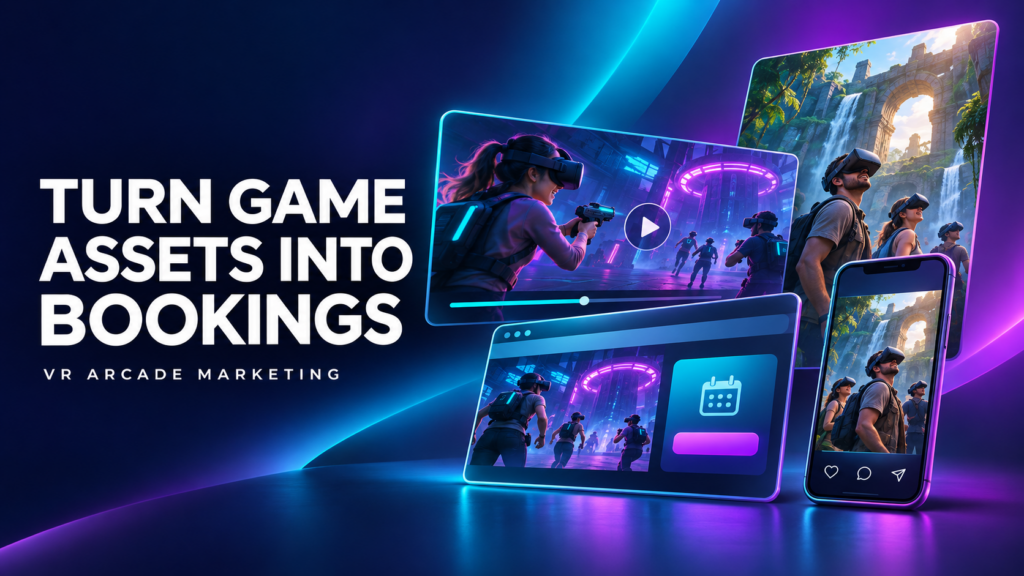
Your next VR arcade marketing campaign might already be waiting in your game library. A VR arcade can offer exciting multiplayer games, immersive adventures, and unique group experiences. But even the best content won’t attract players if customers don’t know it exists. Creating promotional content takes time. Smaller venues may lack the resources to produce gameplay videos, design advertisements, or build marketing campaigns from scratch. Here’s an opportunity many operators overlook: SynthesisVR provides access to game marketing assets for most titles on its platform. As part of the content submission process, developers provide promotional materials when launching their games on SynthesisVR. These resources help VR arcade operators market licensed experiences without starting every campaign from zero. Let’s look at where to find these materials and how to use them to attract players, promote your VR game library, and increase bookings. What Are VR Game Marketing Assets? VR game marketing assets are promotional materials that help operators showcase games to potential customers. They typically include: These materials give operators a starting point for creating professional campaigns. Instead of spending hours capturing gameplay or designing graphics, you can focus on choosing the right message and reaching the right audience. For venues with limited marketing resources, this can make regular promotion considerably easier. Where Can VR Arcades Find Marketing Materials on SynthesisVR? SynthesisVR gives operators access to developer-provided promotional materials through two locations. Option 1: Your SynthesisVR Billing Portal You can find marketing resources for your licensed games directly from your account. If the developer has provided a resource link, you can access the available promotional assets from there. Option 2: The Game’s Community Page You may also find marketing materials on the game’s community page. Open the relevant title and review its description and resource links. Some developers provide promotional folders or marketing kits there. Although developers submit marketing resources as part of the launch process, the available formats and download links vary between titles. Need help finding your assets? Follow the official SynthesisVR Marketing and Advertising Materials Guide. Once you’ve located your materials, it’s time to put them to work. 7 Ways to Use VR Game Marketing Assets to Attract More Players 1. Make Your Game and Booking Pages More Appealing Customers browsing your website may not recognize the titles in your VR game library. A game name and short description often provide too little information to help someone choose. Official screenshots and trailers can show what the experience involves. Consider adding: Focus on what visitors want to experience. For example, instead of describing a title only as a multiplayer VR shooter, explain that friends can compete in a fast-paced virtual battle. Operator tip: Place a booking button near the game description or trailer. Make the next step obvious while customers are interested. 2. Turn Game Trailers Into Social Media Content Gameplay footage helps potential customers understand what VR offers before they put on a headset. Use developer-provided trailers to create short videos for Facebook, Instagram, TikTok, or other relevant channels. A cooperative zombie survival game, for example, could inspire a campaign built around the challenge: “Think your team could survive a zombie outbreak? Gather your friends and put your survival skills to the test.” Different genres offer different promotional angles: Choose clips that quickly communicate the experience. Add a short message, your venue’s location, and a clear booking invitation. Remember that a developer’s trailer introduces the game. Your advertisement needs to explain why someone should visit your arcade to play it. 3. Adapt Game Artwork for Different Customer Groups One game can appeal to several audiences. The key is connecting the experience with what each customer group wants. Consider a cooperative VR adventure. You could promote it as: A birthday activity “Make your next birthday a shared VR adventure.” A corporate team-building experience “Put your team’s communication and problem-solving skills to the test.” A weekend activity with friends “Looking for something different to do this weekend? Bring your team and take on the challenge.” You don’t need entirely new artwork for each campaign. Use the same approved promotional assets with different messages. Customers often search for birthday party ideas, indoor entertainment, or team-building activities rather than specific VR game titles. By matching your content with these interests, you can introduce your games to people who might not otherwise consider visiting a VR arcade. For more ideas, read our guide on How VR Arcades Can Market Games Around Popular Themes. 4. Bring Existing Customers Back With Email Campaigns Your previous visitors already know what your arcade offers. Game marketing assets can help give them a reason to return. For example, use an official game image to announce a new multiplayer experience: “Loved your last VR adventure? We’ve added another challenge for you and your friends.” You can also use promotional artwork to: Keep each email focused on one clear opportunity. Pair the promotional image with a short description and booking link. For more practical examples, explore How VR Arcades Can Bring Customers Back With Simple Email Campaigns. 5. Use Game Trailers on Screens Inside Your Arcade Not every marketing opportunity happens online. Customers waiting for sessions or accompanying friends may not know the full range of experiences your venue offers. Digital screens can introduce additional games while customers are already on-site. Consider rotating: SynthesisVR also supports game images and video URLs through its game administration settings. Supported customer-facing features can use these resources, including PCVR Game Stations’ idle playback. Operator tip: Match the content on your screens to your audience. Family-friendly games may appeal to weekend visitors, while competitive multiplayer content could attract groups of friends. 6. Create Posters and Local Promotions Official game artwork can also support physical marketing. Depending on the developer’s usage guidelines, you may be able to adapt promotional materials for: Add a QR code that directs customers to your booking page. Local partnerships can help you reach audiences beyond your existing social media followers. For example, hotels, event organizers, and nearby entertainment businesses may help
How Can VR Arcades Market Games Around Popular Themes?
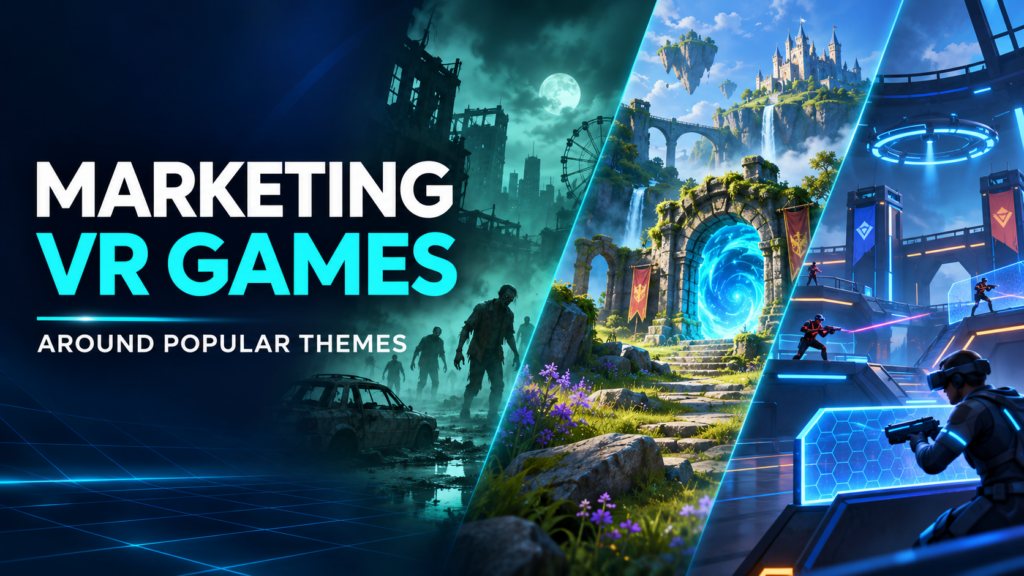
A customer might not know the difference between room-scale VR and free-roam VR. They might never have heard of the games available at a local arcade. But they probably know whether they enjoy zombie survival, haunted houses, fantasy adventures, or competitive games. That familiarity gives VR arcade operators a useful starting point for marketing. Instead of expecting customers to recognize individual VR game titles, venues can introduce experiences through themes people already understand and enjoy. A zombie shooter becomes a survival challenge for friends. A multiplayer arena game becomes a team competition. A fantasy adventure becomes an activity for families looking for something different to do together. For VR arcades and family entertainment centers (FECs), themed marketing can help attract new audiences, promote existing content, and give returning customers another reason to book. The key is choosing themes that fit the venue’s customers and turning them into experiences that are easy to understand, book, and enjoy. Why Popular Themes Work for VR Arcade Marketing Most VR arcade customers are choosing an activity rather than shopping for a particular game. They may be planning a birthday party, organizing a weekend outing, or looking for something to do with friends. Some will already know which VR game they want to play, but others need help understanding what is available. Popular entertainment themes make that choice easier. Consider two ways of promoting the same experience: The second description immediately communicates the setting, challenge, and group experience. Customers can picture what they will be doing, even if they have never tried virtual reality. This approach also works beyond action games. Fantasy adventures, escape rooms, competitive sports, and family-friendly worlds can all be introduced through familiar ideas. Operator feedback supports the importance of recognizable genres During SynthesisVR’s September 2026 Arcades of the Roundtable discussion, operators specifically requested more horror and zombie content. Games including Propagation: Top Squad and Corpus Animatum received positive feedback from participants, highlighting the continued interest in this type of experience among the operators represented. It is a useful reminder that content selection and marketing are connected. Customer requests, operator observations, and game performance can all help venues decide which themes deserve more attention. Which Popular Themes Can VR Arcades Promote? Different genres appeal to different audiences. Operators should consider their customer base, available games, and session formats before choosing which themes to feature. 1. Zombie Survival and Horror Zombie shooters offer a recognizable premise: survive, cooperate with your teammates, and complete the mission. These experiences can work well for groups seeking action, suspense, and a shared challenge. Possible campaign ideas include: Games such as Zombie Storm provide operators with content that can support this type of campaign. Horror themes also extend beyond Halloween. Operators can promote them throughout the year, especially to customers looking for intense or suspenseful group entertainment. 2. Ghost Hunting and Paranormal Experiences Ghost hunting, supernatural mysteries, and haunted environments offer another recognizable entertainment theme. Mixed reality can add an interesting dimension by introducing virtual threats into the player’s physical surroundings. For example, Hauntify Mixed Reality transforms real environments into spaces inhabited by hostile ghosts. An operator could develop a paranormal investigation campaign around the experience, showing customers what makes the game distinctive. Promotional messaging might ask: Would you dare explore a haunted version of your own surroundings? As with any horror content, operators should communicate the intensity of the experience and ensure it suits their intended audience. 3. Competitive Challenges and Team Battles Competition is an accessible theme because customers immediately understand the objective. Whether players are competing directly against one another or working together to achieve a high score, the experience provides a result they can compare. Operators could organize: A game such as VR Paintball Blast can be promoted through its competitive multiplayer appeal. These campaigns can also encourage repeat visits. Customers who enjoyed their first session may return to challenge another group, improve their score, or compete in a new event. 4. Fantasy Adventures and Escape Challenges Fantasy, exploration, and puzzle-solving appeal to customers looking for an adventure they can experience together. A venue might promote cooperative escape games through a campaign such as “Gather Your Team and Complete the Quest.” The marketing should explain what players will actually do. Will they solve puzzles together? Explore an unfamiliar environment? Complete missions against the clock? Those details help customers choose an experience that matches their interests and expectations. 5. Family-Friendly Adventures Family entertainment provides opportunities to market games around colorful environments, accessible challenges, and shared activities. Campaigns could target: Operators should select games according to their documented age requirements, difficulty, physical demands, and available multiplayer options. A family-friendly campaign is most effective when parents can quickly understand who can participate and what the booking includes. 6. Travel and Exploration Not every VR experience needs to involve combat or competition. Exploration and virtual travel can appeal to customers interested in discovering new places and experiencing immersive environments. Titles such as Visit Madeira and Visit Faroe Islands illustrate how VR arcades can offer experiences beyond traditional gaming. A venue could feature exploration content in campaigns aimed at curious first-time visitors, educational groups, or customers interested in immersive travel. The important consideration is whether the theme matches an audience the venue can realistically reach. How Can Operators Turn a Popular Theme Into a Bookable Experience? Selecting a recognizable theme is only the beginning. The next step is creating an offer customers can easily understand and purchase. Step 1: Identify What Your Customers Are Interested In Start with the information already available at your venue. What games do customers ask about? Which experiences do staff recommend most often? What genres generate positive feedback? Are customers requesting content similar to games they have played elsewhere? Operators can also monitor local events, entertainment trends, school holidays, and seasonal interests. Google Trends can help identify changes in public interest, while customer conversations provide more direct information about the local audience. A theme that attracts considerable attention online will not necessarily generate