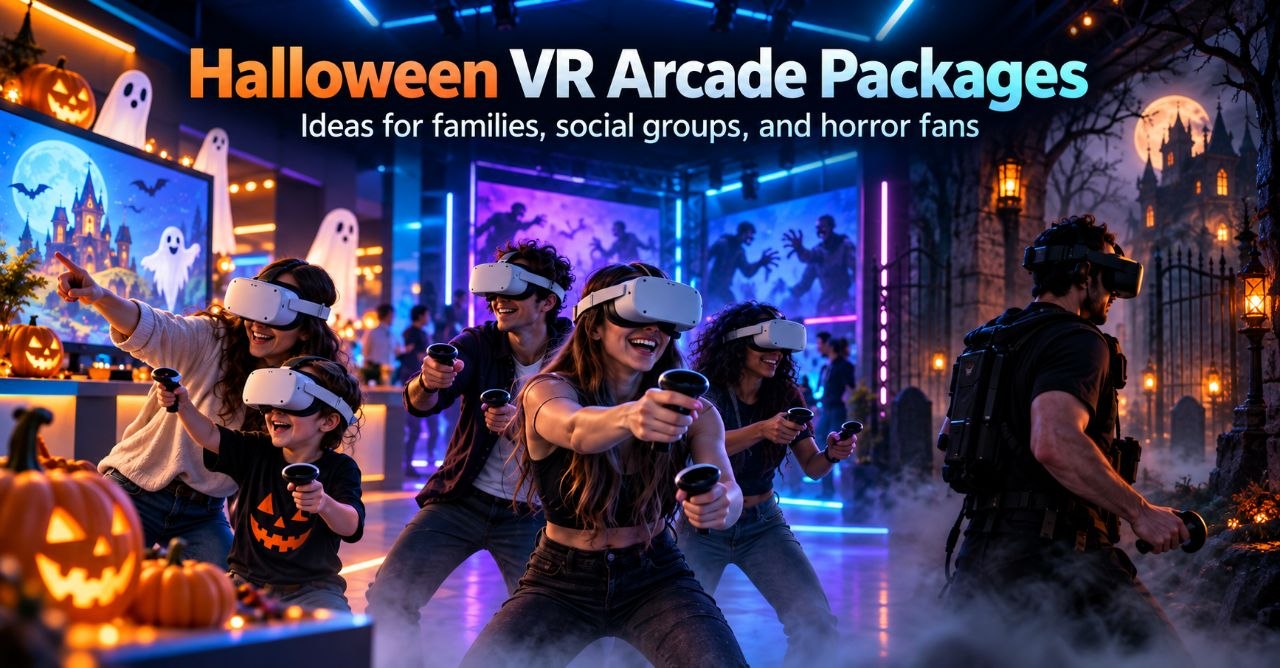
Halloween gives VR arcades an easy reason to change what customers see, promote experiences that may spend less time in the spotlight during the rest of the year, and create a seasonal offer around co...
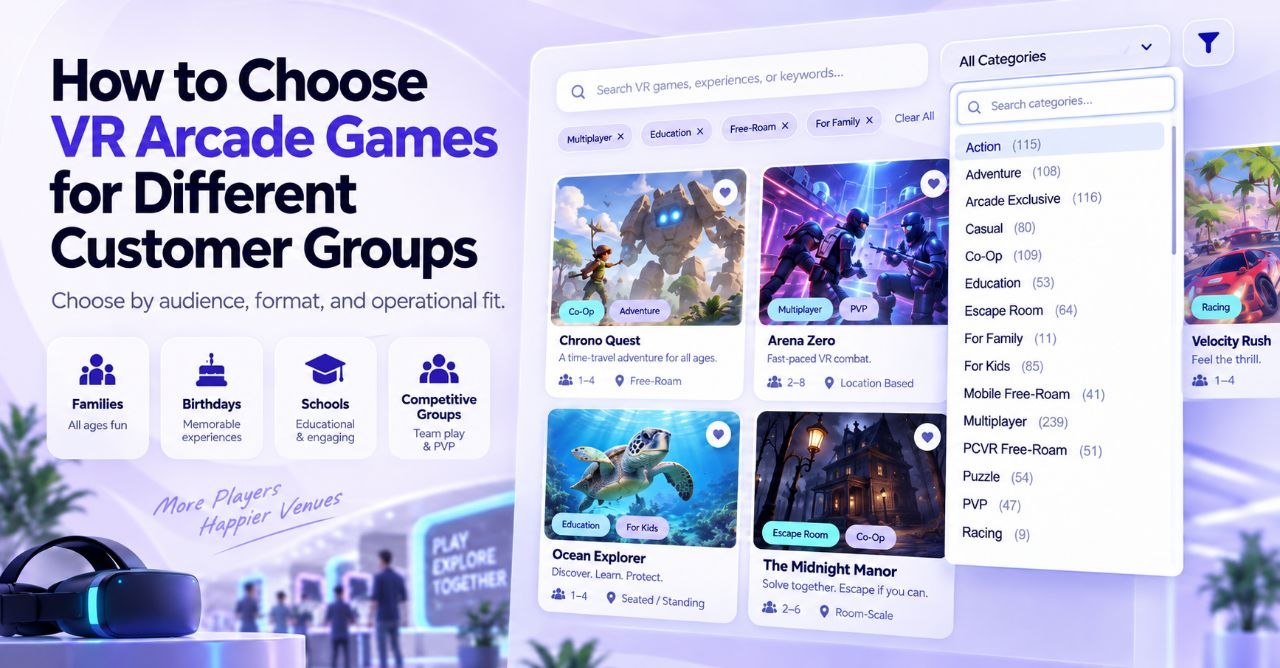
Learning how to choose VR arcade games involves more than finding titles that look impressive or fit a particular genre. A game also has to work with your hardware, available space, group size, sessio...
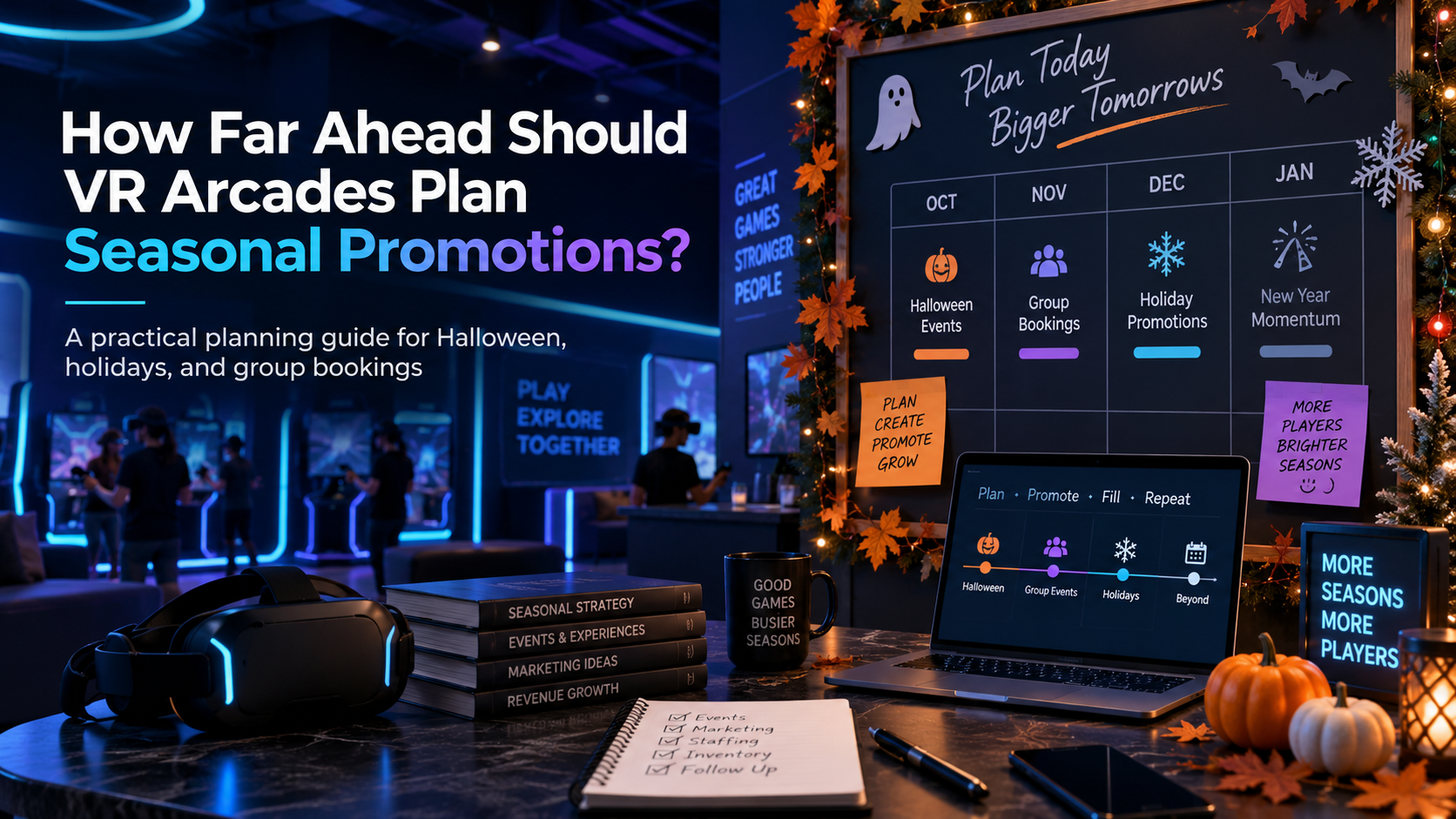
VR arcade seasonal promotions usually need more preparation time than customers ever see.
For a major occasion such as Halloween or the winter holidays, a practical starting point is six to eight w...
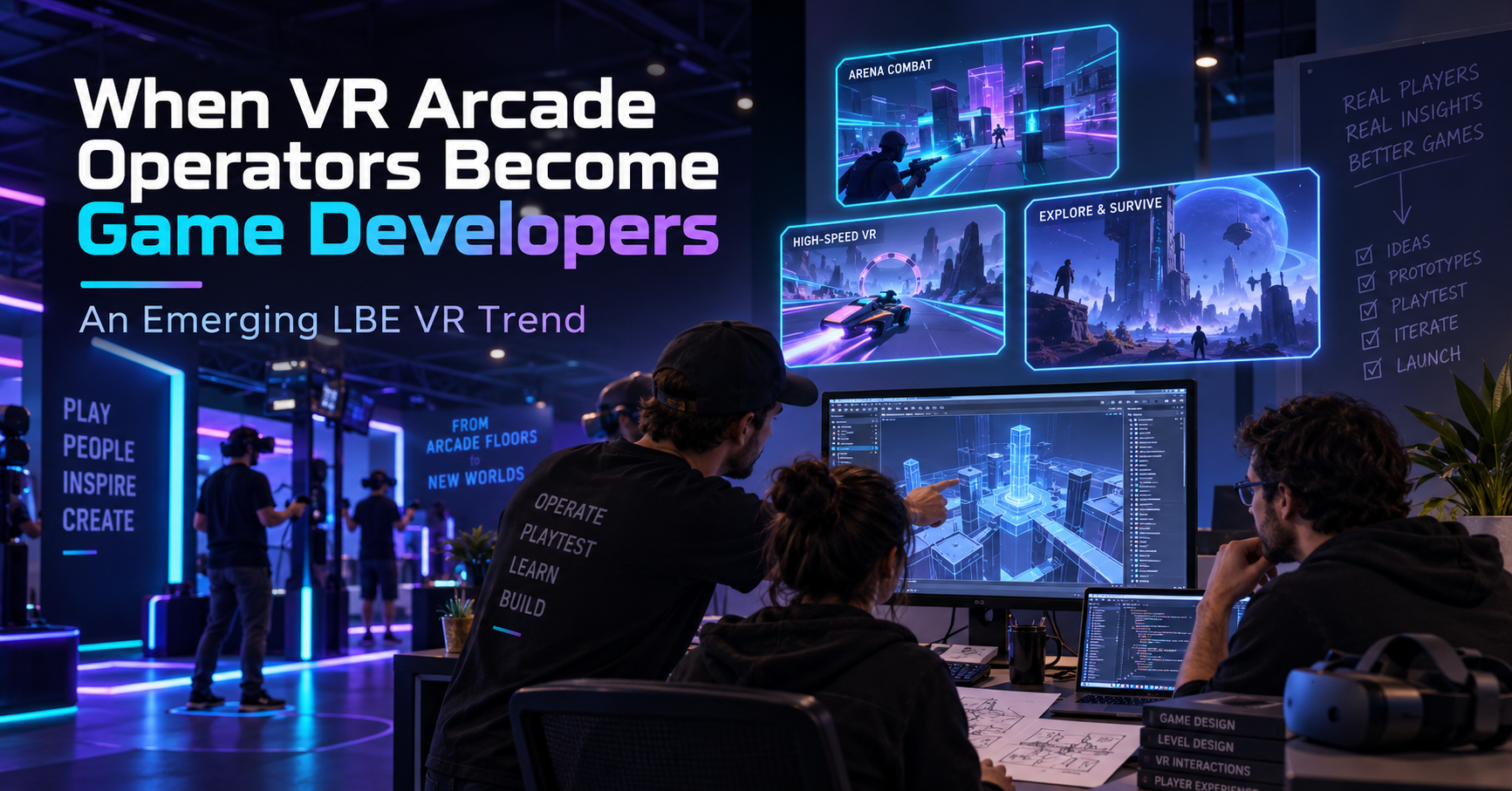
For years, one of the main content questions for a VR arcade operator was simple: What games can we license for our venue?
Lately, we have seen a different question appear inside the SynthesisVR ec...
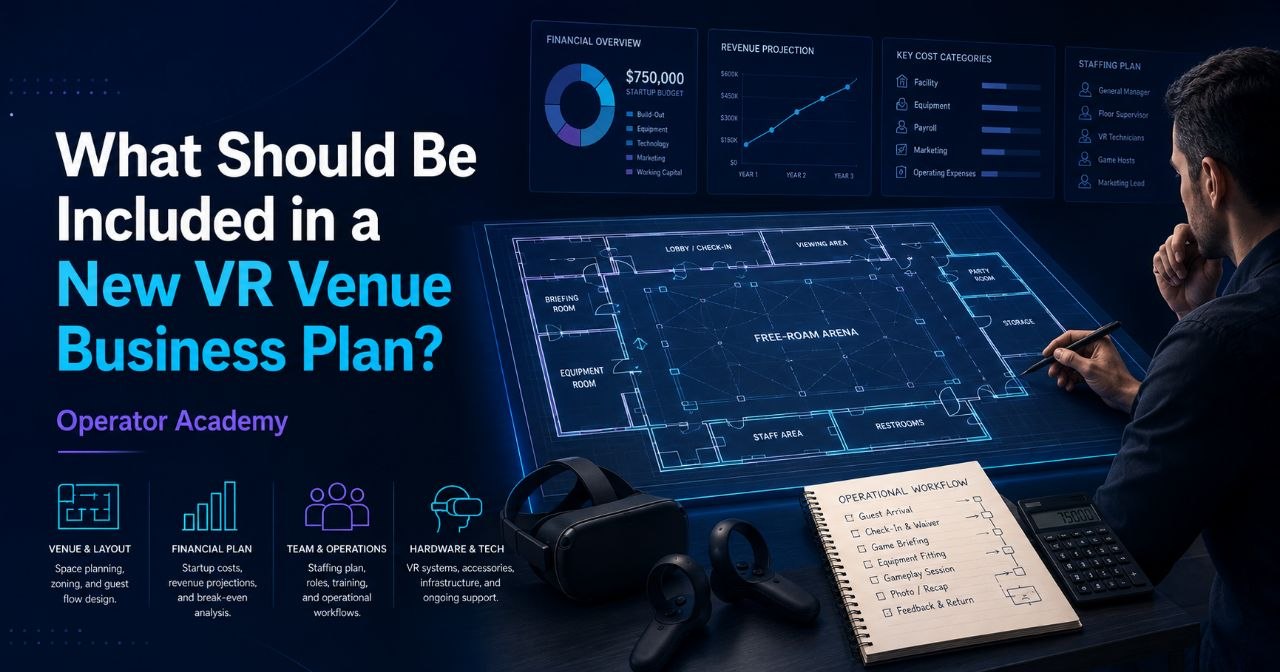
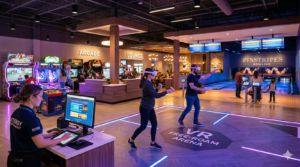
Opening a VR arcade or adding a commercial VR attraction to an existing entertainment venue starts with more than choosing headsets and finding a space.
A useful VR arcade business plan should expl...
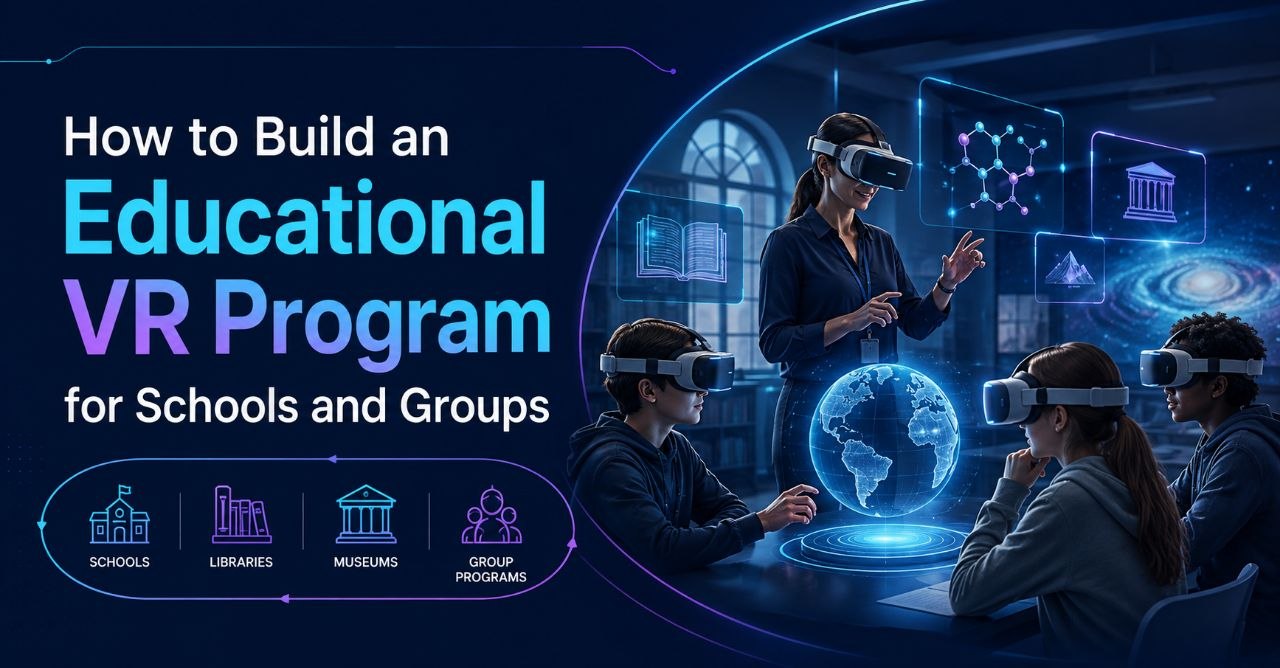
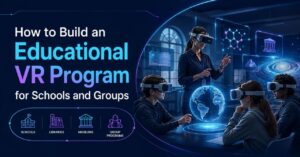
Building an educational VR program for schools takes more than adding educational content to a headset fleet.
Teachers need to understand what students will learn, which ages the activity suits, ho...
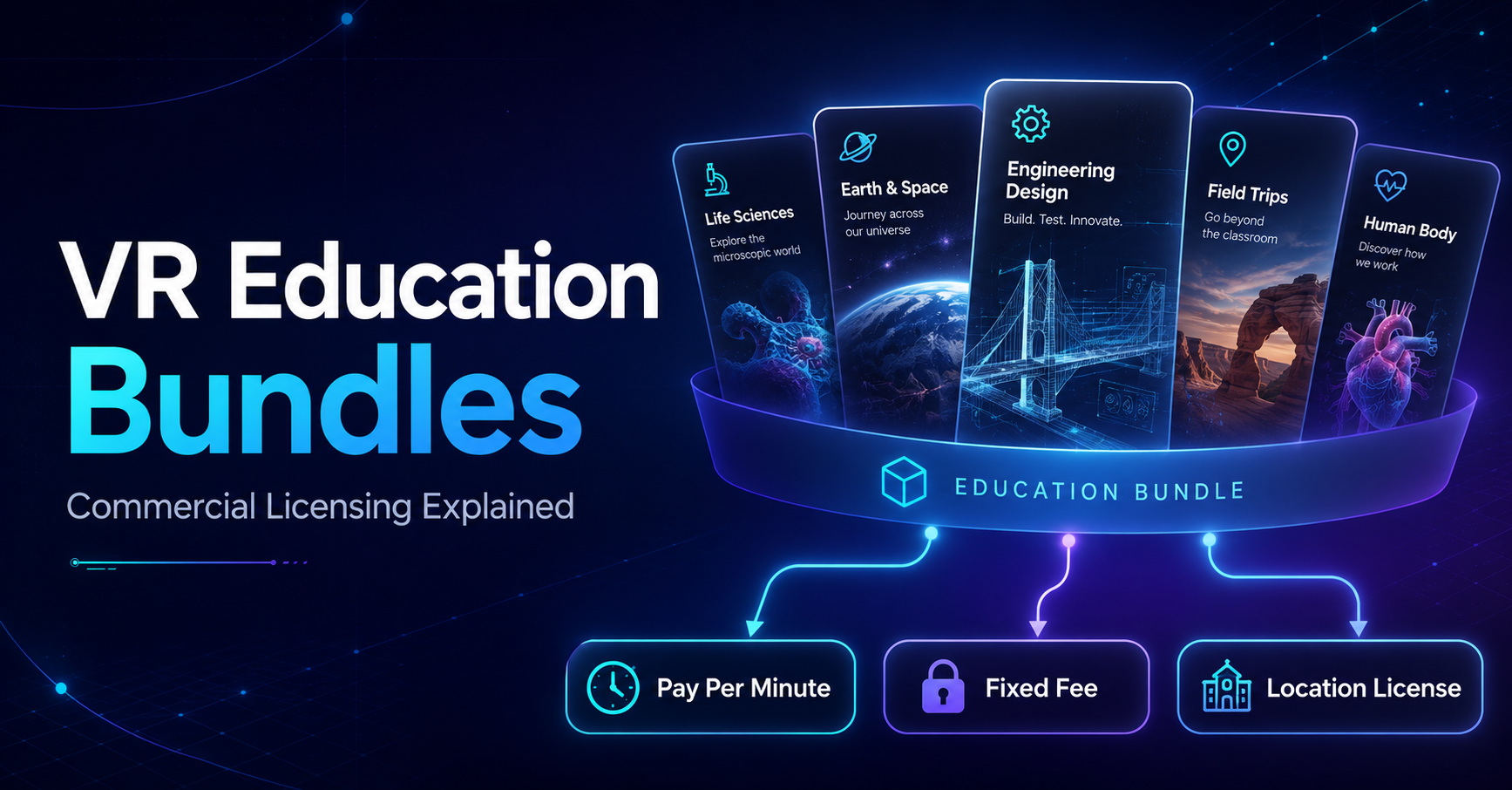
Adding educational VR to a commercial venue raises a practical question: do you license individual experiences as you need them, or choose a broader collection of educational content?
Both approach...
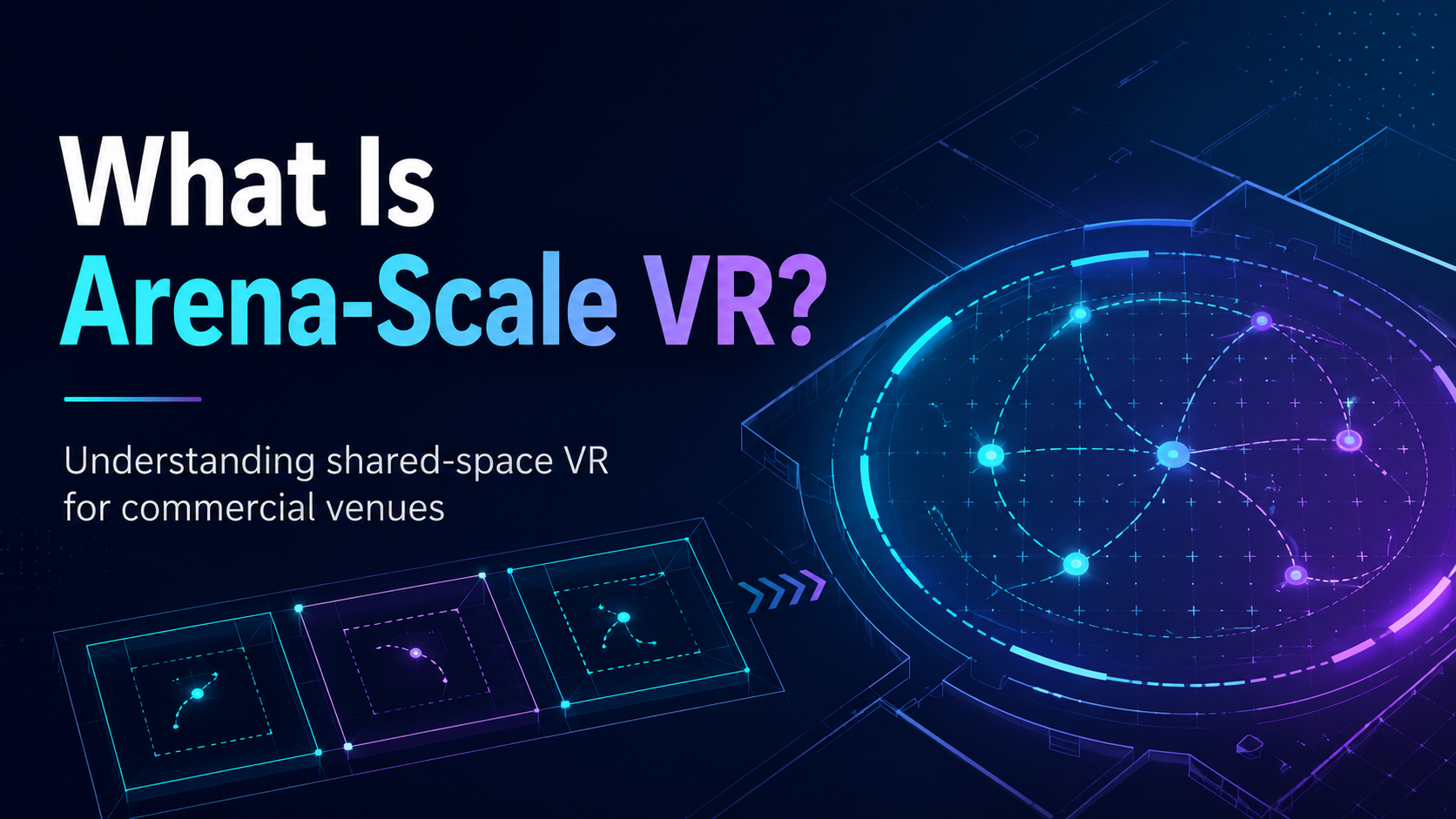
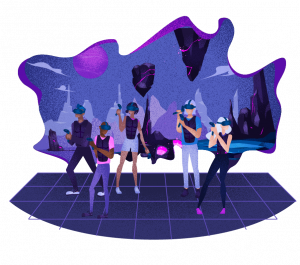
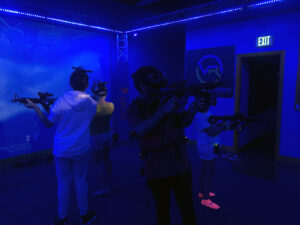
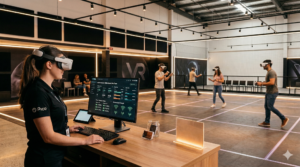
Arena-scale VR is a commercial virtual reality format where multiple players physically move through a shared tracked space while experiencing the same virtual environment. Players can walk, turn, com...
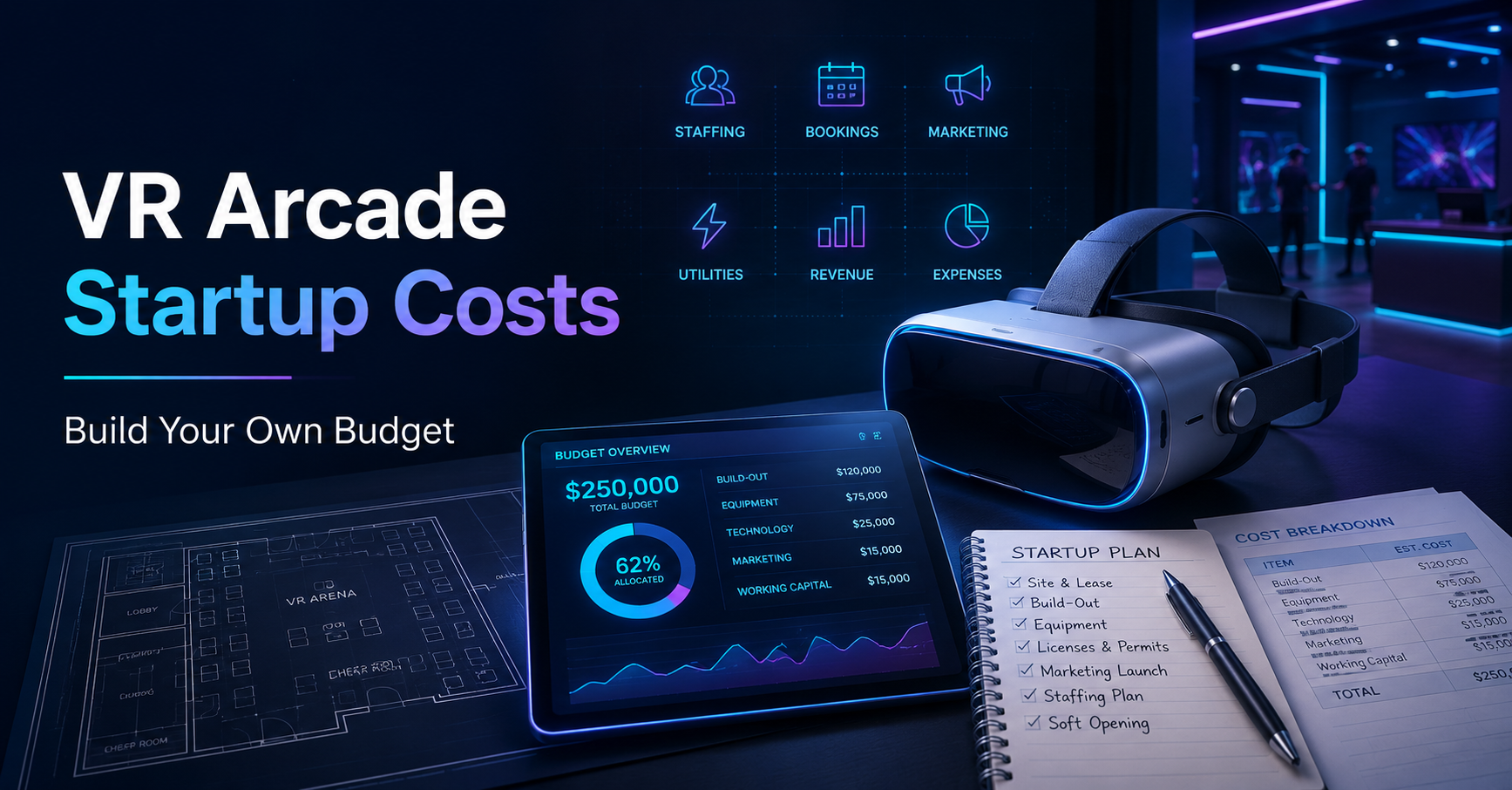
VR arcade startup costs can look completely different from one location to the next. Rent changes by city. Labor costs change by country. A four-headset standalone setup has a different cost structure...
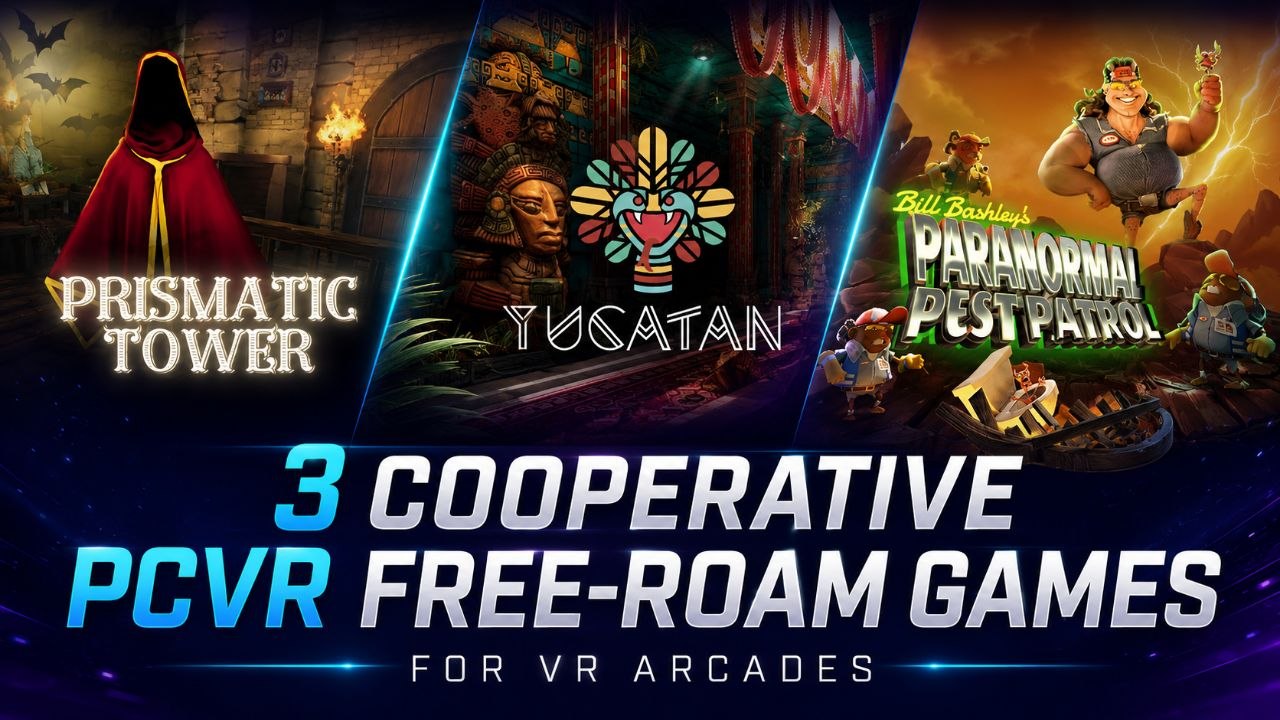
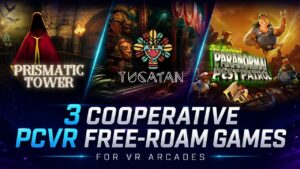
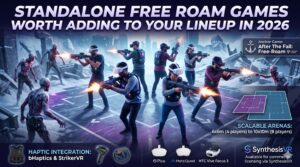
PCVR free-roam games do not have to follow the same formula. For VR arcades, free-roam can support fast group puzzles, longer communication-heavy challenges, or story-driven adventures where players d...